Best No-KYC Platforms to Buy Crypto with Credit/Debit Card
Important Note Before You Start
No-KYC means that a platform may not ask for full identity verification for a small purchase. It does not mean that the payment is fully anonymous.
Your bank, card company, payment processor, or blockchain can still create transaction records. A platform may also ask for ID later if the payment looks unusual, the amount is high, or local rules require verification.
Quick Summary
Platforms such as StealthEX, Changelly, ChangeHero, Guardarian, SimpleSwap, SwapSpace, and some card payment providers may offer small crypto purchases with limited or no full KYC in selected regions.
However, card purchases often use third-party payment companies. These companies can have their own ID checks, limits, fraud controls, and country restrictions. Always check the final checkout page before sending money.
What Does No-KYC Mean?
KYC means “Know Your Customer.” It is the process where a company asks for details such as your name, address, ID document, or selfie.
A no-KYC or low-KYC service may let you buy a small amount without uploading a passport. But the service can still ask for your email, phone number, card details, 3D Secure approval, or wallet address.
For a simple explanation of crypto payment methods, you can read more cryptocurrency guides on Asdullah.
Top Platforms to Check
| Platform | Best For | Card Option | KYC Note |
|---|---|---|---|
| StealthEX | Quick swaps | Card through payment partners | Small limits may apply |
| Changelly | Instant exchange | Visa or Mastercard through partners | Verification may be requested |
| ChangeHero | Small swaps | Card purchases through providers | Limits vary by country |
| Guardarian | Fiat-to-crypto purchases | Credit and debit cards | Verification depends on risk and amount |
| SimpleSwap | Wallet-to-wallet swaps | Card provider option | Partner checks may apply |
| SwapSpace | Comparing swap offers | Depends on selected provider | Each provider has its own policy |
| BitPay | Card on-ramp partners | Card, Apple Pay, and other options | Partner verification may apply |
| MoonPay | Fast card on-ramp | Credit and debit cards | Full or partial checks may apply |
| Banxa | Payment processing | Cards and local payment methods | Rules depend on region |
| Ramp Network | Wallet purchases | Cards and bank methods | KYC depends on transaction risk |
1. StealthEX
StealthEX is an instant crypto swap service. It may allow a user to start a card purchase without opening a full exchange account.
The card payment is usually handled by a third-party provider. Read the payment screen carefully because the provider may ask for extra verification. Never assume that a small limit means the transaction is fully anonymous.
2. Changelly
Changelly is an instant swap platform with a card purchase option through payment partners. It can be useful for users who want to buy a small amount and send it to a personal wallet.
Read the Changelly FAQ before paying. A transaction may be held if the payment provider detects a risk signal.
3. ChangeHero
ChangeHero focuses on quick crypto swaps. Card purchases may be available through a separate payment service.
Check the exchange rate, service fee, and required documents before confirming. If the card provider asks for ID, do not try to bypass the check.
4. Guardarian
Guardarian offers fiat-to-crypto purchases with card and other payment methods in supported regions.
Small purchases may have a simpler process, but the platform can still request information. Check its official FAQ for limits, countries, and payment rules.
5. SimpleSwap
SimpleSwap lets users exchange crypto without keeping funds on a traditional trading account. Card purchases may be completed by an outside partner.
Before using it, read the SimpleSwap help information and check whether your card and country are supported.
6. SwapSpace
SwapSpace compares offers from different crypto exchange services. This means the KYC rules can change depending on which provider you select.
Always open the provider details before making payment. A lower quote may come with a higher card fee or stricter verification.
7. BitPay
BitPay connects users with crypto payment partners. Its Buy Crypto page may show card, Apple Pay, Google Pay, or other methods depending on location.
BitPay is not a promise of no KYC. The selected partner may ask for identity checks before completing the order.
8. MoonPay
MoonPay is a popular crypto on-ramp that supports cards in many markets. It is normally easy to use, but it should not be described as permanently no-KYC.
Read the MoonPay support center to understand account checks, payment limits, and supported countries.
9. Banxa
Banxa provides crypto payment services for wallets and Web3 apps. It may support debit cards, credit cards, and local payment methods.
Verification requirements depend on the country, amount, and payment method. Check the Banxa support page before sending money.
10. Ramp Network
Ramp Network allows users to buy crypto directly inside supported wallets and apps. Card payments can be fast, but the payment partner can request verification.
Use the Ramp support center to check fees, limits, and payment availability in your country.
How to Buy Crypto with Limited KYC
- Choose a legal platform available in your country.
- Read the payment provider name before entering card details.
- Check the minimum and maximum purchase limit.
- Review the total price, spread, and card fee.
- Use a wallet address that you control.
- Complete any lawful security or identity check requested.
- Save the transaction receipt.
Do not use fake names, stolen cards, VPN tricks, or someone else’s payment account. These actions can freeze the transaction and may create legal problems.
Credit Card vs Debit Card
A debit card spends money from your bank account. A credit card uses borrowed money and may add interest or cash-advance fees.
For most beginners, a debit card is easier to control. A credit card can be risky because crypto prices may fall while the card balance still needs to be paid.
Fees and Limits
- Card processing fee.
- Exchange spread.
- Blockchain network fee.
- Wallet withdrawal fee.
- Currency conversion fee.
- Possible bank cash-advance fee.
Low-KYC services often have lower limits. A platform may allow a small purchase without full verification but ask for documents when you try to buy more.
Why Card Payments May Fail
Your card may be declined because the bank blocks crypto payments, the platform does not support your country, the billing address is wrong, or the payment provider needs more information.
Try checking your card details first. If the payment still fails, contact your bank or the platform’s official support team. Do not send money to a random person on Telegram or social media.
Safety Tips
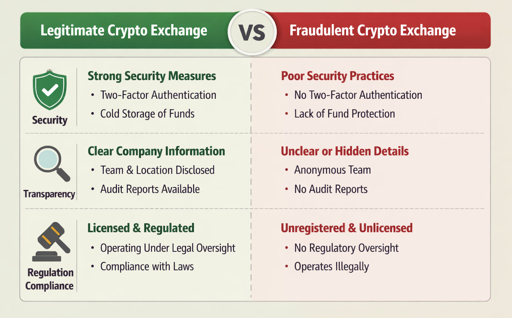
- Use the official website only.
- Check the website address before paying.
- Turn on two-factor authentication.
- Never share your password or recovery phrase.
- Start with a small amount.
- Do not use stolen cards or fake identity details.
- Keep transaction records for taxes and personal accounting.
- Move long-term crypto to a wallet you control.
For more online safety information, read the CISA security guidance and use strong passwords for every account.
Legal and Financial Warning
No-KYC does not mean tax-free or law-free. Your country may require you to report crypto purchases, sales, gains, or losses. Card transactions can also be recorded by your bank and payment provider.
Crypto prices are highly volatile. Do not invest money you need for rent, food, bills, or debt payments. This article is for general education and is not financial advice.
FAQ
Can I buy crypto with a credit card without KYC?
Some payment services may allow small purchases with limited checks, but full no-KYC card buying is not guaranteed.
Which platform is best for small purchases?
StealthEX, Changelly, ChangeHero, Guardarian,