Europe Heatwave 2026: Extreme Heat Warning, Forecast and Safety Tips
Europe Heatwave 2026: Extreme Heat Warning, Forecast and Safety Tips
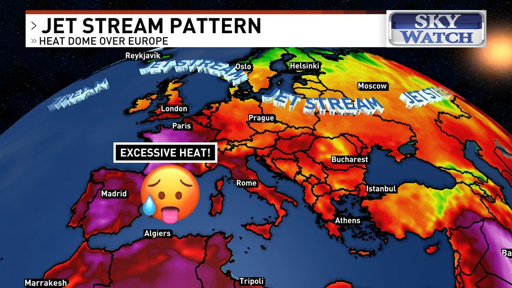
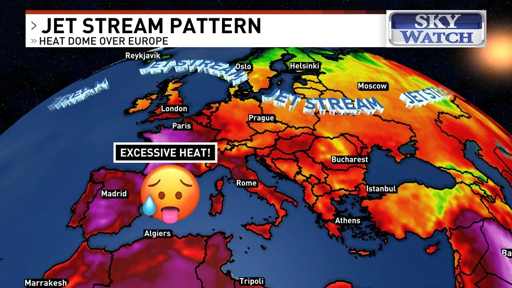
A new period of high temperatures is affecting parts of Europe in August 2026.
Current reports expect temperatures in the high 30s Celsius across parts of
France, Spain and Italy, with the heat later affecting Germany, Poland and
Czechia. Follow local weather alerts because conditions can change quickly.
Europe is facing another period of intense summer heat, with weather services
and authorities monitoring high temperatures, warm nights and health risks.
The latest forecast reports describe another heat pulse moving through central
and western Europe during the coming week.
The hottest conditions are expected across parts of France, Spain and Italy
first, while Germany, Poland and Czechia may experience the strongest heat
later in the week. Some areas may also face wildfire danger, pressure on
transport systems and increased demand for electricity.
A heatwave is not only uncomfortable. Extreme heat can worsen heart, lung and
kidney conditions, increase dehydration and cause heat exhaustion or potentially
fatal heatstroke.
This article provides general information, not a personal medical diagnosis.
Always follow your national weather service and local emergency guidance.
Call your local emergency number immediately if somebody shows confusion,
faints, has a seizure or loses consciousness.
What Is an Extreme Heat Warning?
An extreme heat warning means that temperatures or heat stress are expected to
reach a level that can threaten health, especially for older adults, babies,
people with chronic illnesses, outdoor workers and people living alone.
Different countries use different warning systems. Some use colour-coded alerts,
while others issue heat-health warnings based on daytime temperature, overnight
temperature, humidity and how long the heat is expected to continue.
A normal hot day may become dangerous when temperatures remain high overnight.
If homes do not cool down after sunset, the body has less opportunity to recover
before the next hot day.
Which European Countries Are Affected?
The exact alert level is different for every region. Current reporting points
to high temperatures in parts of western, southern and central Europe rather
than one identical warning covering the entire continent.
| Area | Current Heat Pattern | Potential Concern | What Residents Should Do |
|---|---|---|---|
| France | High-30s Celsius expected in parts of the country. | Heat stress, dehydration and hot nights. | Check local alerts and avoid strenuous activity during the hottest hours. |
| Spain | Very hot conditions across parts of the country. | Heat exhaustion, wildfire risk and water stress. | Stay hydrated, use shade and follow regional weather warnings. |
| Italy | High heat with the highest alerts reported for major cities. | Health pressure, transport disruption and power demand. | Follow municipal heat guidance and check on vulnerable people. |
| Germany | Heat expected to increase later in the forecast period. | Urban heat, dehydration and warm nights. | Check the official local heat warning before outdoor plans. |
| Poland | Heat may arrive later as the hot air moves east. | Sudden heat stress after cooler conditions. | Reduce strenuous activity and keep homes shaded. |
| Czechia | Higher temperatures expected later in the week. | Heat stress and difficult sleeping conditions. | Use cool rooms, drink regularly and monitor official alerts. |
These are broad regional patterns, not a replacement for a local forecast.
Weather warnings can vary between cities only a short distance apart.
Europe Heatwave Temperature Forecast
Forecast models reported high-30s Celsius temperatures across parts of France,
Spain and Italy during the first half of the week. Germany, Poland and Czechia
may experience their highest temperatures towards the end of the week.
| Temperature or Condition | What It May Mean | Recommended Response | Risk Level |
|---|---|---|---|
| 30–34°C | Hot weather for many people | Drink regularly and avoid long direct sun exposure. | Take Care |
| 35–39°C | High heat stress, especially for vulnerable people | Stay cool, reduce outdoor work and check on family members. | High Risk |
| 40°C or higher | Extreme heat with serious health risk | Stay indoors or in a cool place and follow official warnings. | Extreme |
| Very warm nights | Limited overnight recovery | Cool the bedroom, close blinds during the day and ventilate at night. | High Risk |
What Makes Heatwaves Dangerous?
The body normally cools itself through sweating and increased blood flow to
the skin. During extreme heat, humidity, dehydration and physical exertion
can make this cooling process less effective.
Heat can be especially dangerous for people with heart, lung or kidney
conditions, people taking multiple medicines, pregnant people, older adults,
infants and anyone working outside.
- High humidity can reduce the body’s ability to cool through sweating.
- Warm nights can prevent proper recovery and sleep.
- Outdoor workers may become dehydrated quickly.
- Children and older adults may not recognise or communicate thirst.
- Some medicines can affect sweating, blood pressure or fluid balance.
- Parked vehicles can become dangerously hot in a very short time.
Heat Exhaustion Symptoms
Heat exhaustion can develop after prolonged exposure to heat or physical
activity. Early action can help prevent the condition from becoming heatstroke.
| Symptom | Possible Meaning | Immediate Action | Level |
|---|---|---|---|
| Heavy sweating | Body is trying to lose heat | Move to shade or a cool room and rest. | Take Action |
| Headache and intense thirst | Possible dehydration or heat exhaustion | Drink water regularly and stop physical activity. | Urgent |
| Dizziness or weakness | Heat is affecting circulation | Lie down in a cool place and ask someone to stay nearby. | High Risk |
| Nausea, vomiting or muscle cramps | More serious heat illness | Cool the body and seek medical advice if symptoms continue. | High Risk |
Heatstroke Warning Signs
Heatstroke is a medical emergency. Warning signs can include confusion,
fainting, seizure, loss of consciousness, severe behaviour changes or very
hot skin. A person can have heatstroke even if sweating has not completely
stopped.
| Warning Sign | Possible Meaning | What to Do | Emergency Level |
|---|---|---|---|
| Confusion or unusual behaviour | Possible heatstroke affecting the brain | Call emergency services immediately and begin cooling. | Emergency |
| Fainting or loss of consciousness | Severe heat illness | Call emergency services and do not leave the person alone. | Emergency |
| Seizure | Life-threatening condition | Call emergency services immediately and protect the person from injury. | Emergency |
| Very hot skin and rapid deterioration | Possible heatstroke | Move to a cool place, use wet cloths and wait for medical help. | Life-Threatening |
The World Health Organization advises calling emergency medical help for
suspected heatstroke, cooling the person while waiting and monitoring their
condition. Do not give a heatstroke patient aspirin or paracetamol. [621]
How to Stay Safe During Extreme Heat
Stay Out of the Hottest Hours
Avoid direct sunlight and strenuous exercise during the hottest part of the
day. If outdoor work is unavoidable, take frequent breaks in shade and follow
workplace heat-safety procedures.
Drink Water Regularly
Drink regularly rather than waiting until you feel extremely thirsty. WHO
guidance suggests around one cup per hour and at least 2–3 litres per day for
many adults, but people with fluid restrictions should follow their doctor’s
instructions instead. [620]
Keep Your Home Cool
- Close blinds, shutters or curtains while outdoor temperatures are higher.
- Open windows after dark when outdoor air becomes cooler.
- Use the coolest room for sleeping and resting.
- Turn off unnecessary electrical devices that produce heat.
- Use fans carefully; WHO advises extra caution above 40°C.
- Take a cool shower or use a damp cloth to cool your skin.
Protect Children, Older Adults and Pets
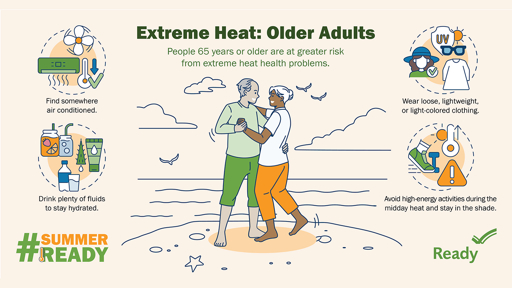
Check on older adults, people living alone and anyone with a chronic medical
condition. Never leave children, older people or animals in a parked vehicle,
even for a short time.
Heatwave Safety for Outdoor Workers
Outdoor workers should plan demanding tasks for the coolest available hours,
take regular shade breaks and use a buddy system. Employers should provide
drinking water, rest areas, heat-risk training and a clear emergency plan.
| Situation | Safer Approach | What to Avoid |
|---|---|---|
| Outdoor construction | Rotate tasks and schedule heavy work early. | Long continuous work in direct sun. |
| Sport and exercise | Exercise during cooler hours and reduce intensity. | Hard training during peak heat. |
| Travel | Carry water and plan shaded or air-conditioned stops. | Leaving people or pets inside vehicles. |
| Outdoor events | Use shade, light clothing, sunscreen and regular breaks. | Ignoring dizziness, weakness or confusion. |
How to Check Official Heat Warnings
Heat alerts are local, so check the official weather service for your country
and city. Do not rely only on a social-media post or a general European forecast.
- Check your national meteorological service.
- Look for city-level heat-health alerts.
- Check wildfire and air-quality warnings separately.
- Monitor official emergency-service announcements.
- Check forecast updates before outdoor travel.
The
World Health Organization heat and health guidance
provides general advice about staying cool, hydration, vulnerable groups and
emergency symptoms.
Frequently Asked Questions
Which countries are affected by the Europe heatwave?
Current forecasts point to high temperatures in parts of France, Spain and
Italy first, with Germany, Poland and Czechia potentially affected later.
Exact warnings vary by city and region.
What is the safest thing to do during extreme heat?
Stay in a cool place, avoid strenuous activity during the hottest hours,
drink water regularly and check on vulnerable people.
What are the first signs of heat exhaustion?
Heavy sweating, headache, intense thirst, weakness, dizziness, nausea and
muscle cramps can be warning signs.
When should I call emergency services?
Call immediately for confusion, fainting, seizure, loss of consciousness or
suspected heatstroke.
Can a fan protect someone in extreme heat?
Fans can help in some conditions, but WHO advises caution when temperatures
are above 40°C because a fan may heat the body rather than cool it. Follow
local health guidance. [620]
Conclusion
Europe’s August 2026 heatwave is affecting different countries and regions at
different times. Current reports expect high-30s temperatures across parts of
France, Spain and Italy, with hotter conditions later in parts of central
Europe.
The safest approach is to follow local warnings, stay hydrated, avoid peak
heat, keep homes cool and check on people who may be more vulnerable. If
somebody shows signs of heatstroke, call emergency services immediately.